Who We Are

Fifteen Years of Trail Knowledge

We started in 2011 with a simple observation: most guided tours treat wilderness as a backdrop rather than a subject worth understanding.

Our founder, after completing geological surveys across remote Australian terrain, recognized that the knowledge acquired through professional field work rarely reached recreational hikers. The result was trails designed for efficiency rather than education, and participants who walked through extraordinary landscapes without comprehending what they were seeing.
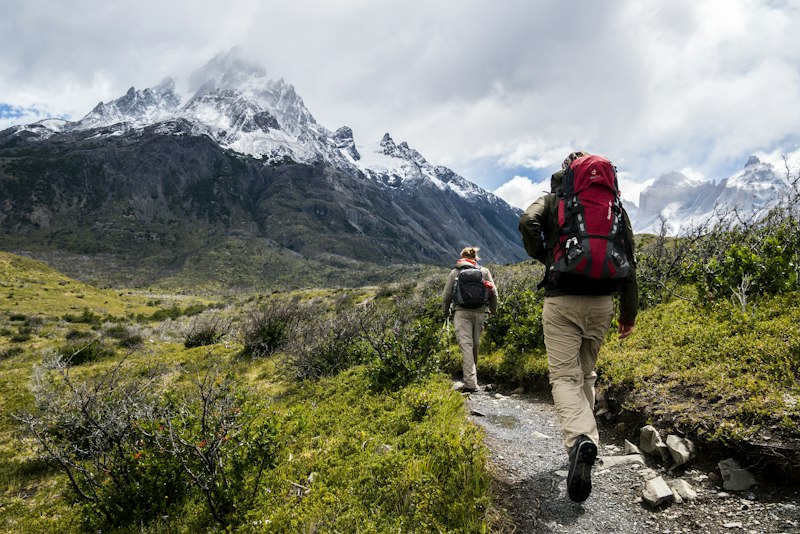
Guide examining geological formations
Topographic map and compass on rock surface

Method Over Marketing

We don't describe our routes as "bucket list adventures" or "life-changing journeys." Those phrases are marketing constructs, not honest descriptions of what happens when people walk through challenging terrain.

What we offer instead is structured exposure to environments that require decision-making, physical capability, and sustained attention. The value emerges from competency development rather than manufactured peak experiences.

Our Guides

Marcus Chen

Lead Wilderness Guide

Former park ranger with specialization in alpine ecosystems and emergency response. Holds certifications in wilderness medicine and technical rope work. Has completed over 400 multi-day expeditions across Australian mountain ranges.

Elena Kowalski

Coastal & Marine Specialist

Marine biologist who transitioned to wilderness education after recognizing the gap between scientific knowledge and public understanding. Specializes in intertidal ecology and sustainable coastal access.

David Nguyen

Desert Navigation Expert

Third-generation bushwalker with extensive experience in arid zone travel. Combines traditional navigation methods with modern GPS technology. Has mapped over 2,000 kilometers of previously undocumented outback routes.

Operating Principles

Group Size: We maintain a maximum of eight participants per guide. This isn't about exclusivity. Larger groups create trail damage, disrupt wildlife, and prevent genuine instruction.

Trail Selection: Routes are chosen for educational value rather than photographic appeal. Some of our most valuable programs take place in landscapes that wouldn't photograph well but teach essential wilderness skills.

Safety Protocol: We carry comprehensive emergency equipment and maintain satellite communication on all routes. Risk management doesn't mean risk elimination. It means informed decision-making with appropriate backup systems.

Environmental Impact: We follow Leave No Trace principles and actively participate in trail maintenance. Every participant receives instruction on minimizing ecological disturbance.

Wilderness camping setup in mountain valley